Nigeria Marks Anniversary of Assassination of Former Head of State, Murtala Mohammed
Every 13th of February, Nigerians commemorate the assassination of the country’s former Head of State, Murtala Ramat Mohammed, who was killed in a failed coup on February 13, 1976. Born on November 8, 1938, in Kano, the late General was educated at Barewa College and later trained at the Sandhurst Military Academy in the United Kingdom. He rose rapidly through the ranks of the Nigerian Army and played a strategic role during the Nigerian Civil War, particularly in the Second Division.

By Chiroma Ibrahim
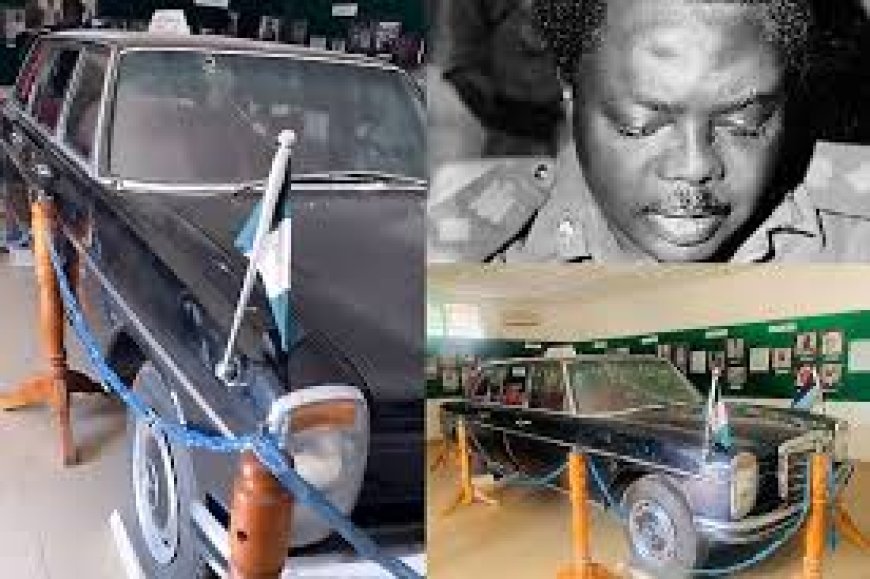
Every 13th of February, Nigerians commemorate the assassination of the country’s former Head of State, Murtala Ramat Mohammed, who was killed in a failed coup on February 13, 1976.
Born on November 8, 1938, in Kano, the late General was educated at Barewa College and later trained at the Sandhurst Military Academy in the United Kingdom. He rose rapidly through the ranks of the Nigerian Army and played a strategic role during the Nigerian Civil War, particularly in the Second Division.
General Murtala Mohammed came to power in a bloodless coup on July 29, 1975, succeeding Yakubu Gowon. He immediately introduced sweeping reforms in the civil service, aimed at curbing corruption and inefficiency, with his famous declaration, “With immediate effect.”
A retired Borno State Head of Service and Secretary of the Borno Elders Forum, Dr. Bulama Mali, said the late Head of State used his brief tenure to reposition the nation’s civil service through far-reaching reforms.
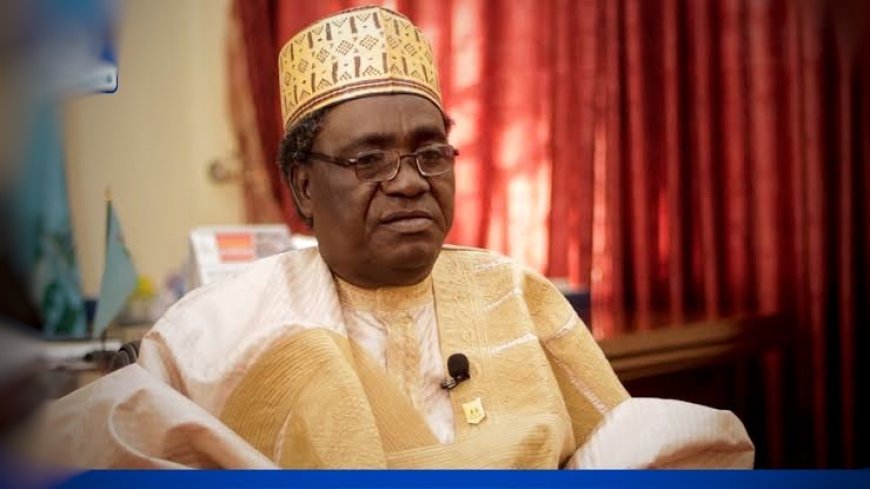
Dr. Mali also recalled General Murtala’s “Africa Has Come of Age” speech at the summit of the Organization of African Unity in Addis Ababa, noting that it underscored Nigeria’s firm stance against colonialism and apartheid, particularly in Angola.
Similarly, Professor Garba Ibrahim of the Department of History and Strategic Studies, University of Maiduguri, said the late leader introduced major structural reforms, including the decision to relocate the Federal Capital to Abuja, based on the recommendations of the Justice Akinola Aguda Panel. He also expanded the number of states from twelve to nineteen to bring governance closer to the people.
Professor Garba Ibrahim observed that some of the people-centred policies of the Murtala administration were resisted by certain interests and their foreign collaborators. He described the late Head of State as a leader who instilled national pride and commanded respect in both African and global diplomatic circles.
Also speaking, the former Chairman of the Nigerian Legion, Borno State Chapter, retired Colonel William Mamza, who served under General Murtala during the Civil War, described him as a fearless and courageous commander.
General Murtala Mohammed was assassinated on February 13, 1976, in an abortive military coup led by Buka Suka Dimka. He was killed alongside his Aide-de-Camp after spending only six months in office. He died at the age of 37, leaving behind his wife and children.
Following his assassination, Nigerians received the news with shock and grief, lamenting that he was not allowed to fully implement his reform agenda, which many believed would have given the country a new direction.
Some elder statesmen who witnessed his administration told Radio Nigeria that General Murtala Mohammed was the first Nigerian Head of State to adopt a low-profile lifestyle, often moving in traffic without sirens or a heavy security convoy. They noted that this simplicity was exploited by the coup plotters on that tragic Friday in Ikoyi, leaving the nation in mourning and his reform agenda unfinished.